Why San Antonio Is Becoming a Leader in Addiction Treatment
Drive a few miles in any instructions throughout San Antonio and you can see the modification. Emergency situation divisions now start buprenorphine before a person ever leaves the healthcare facility. Confidence based household programs share data with region detoxification units. Experts walk right into clinics where the front desk speaks fluent army and well-versed Spanish. This is what a growing community appears like when a city makes a decision that addiction is a treatable disease, not a personality flaw.
Leaders below will certainly inform you that San Antonio did not become a brilliant area by accident. It expanded from a mix of tough gained lessons, useful partnership, and a market fact that required bilingual, proficient conscious, injury informed care. The outcome is not excellent and the job is unfinished, yet you can feel the momentum. For individuals searching for addiction treatment in San Antonio, the difference turns up as even more doors, less stumbling blocks, and a higher chance of recuperation that sticks.
The health care foundation that transformed the trajectory
Cities trying to develop strong addiction treatment normally encounter the exact same wall surface. Services exist, however they being in silos. San Antonio punched via that wall surface by linking its scholastic hub, public health center, county behavioral health authority, and first responders into a working network.
UT Health and wellness San Antonio trains doctors, registered nurses, and social workers that are now comfy treating material use problems as persistent, relapsing conditions instead of once situations. College Health, the general public healthcare facility system, gives that training a home in emergency situation divisions and clinics where protocols actually get made use of. The Center for Health Care Services runs the Restoration Facility, a 24/7 serious and detox source that offers a different to prison or the ER for individuals in withdrawal. Regional EMS teams do more than transportation. They carry naloxone, notify outreach partners, and loop in mobile integrated health care devices for following day follow up.
These web links issue in the first 72 hours after an overdose or a dilemma. In useful terms, an individual brought in for an opioid overdose can obtain naloxone, get evaluated for carbon monoxide occurring psychological wellness demands, start buprenorphine in the ED, and entrust a cozy referral to outpatient addiction medicine or residential care. A decade ago, that same individual most likely left with a handout and a warning.
Texas plan shifts aided. The state removed the government X waiver barrier, which opened the door for more medical professionals to recommend buprenorphine, and increased naloxone accessibility through statewide programs that position sets with clinics and area teams. San Antonio carriers made those policy modifications actual by constructing procedures around them.
Court diversion and dilemma options that in fact work
Bexar County began explore jail diversion long prior to it ended up being common vernacular. Specialized courts for individuals with compound usage and psychological wellness problems direct people into treatment and guidance rather than conventional sentencing. The Reconstruction Center supplies serious and detoxification as an off ramp from incarceration or emergency holds. Law enforcement policemans discover where to take someone in dilemma at 2 a.m., and they have a place to go that is not a jail consumption window.
Diversion programs just do well if they have somewhere credible to draw away individuals to. San Antonio's continuum includes detox, domestic, partial a hospital stay, extensive outpatient, basic outpatient, peer recuperation supports, and sober real estate. Admission criteria are much better coordinated than they made use of to be, which shortens the pinball result where an individual bounces from door to door. There are still spaces, especially for adolescents and people with complex clinical needs, yet the range between a court order and a therapy bed has narrowed.
Veterans and army families discover culturally skilled care
San Antonio's military footprint is not decor. It is day-to-day live. Joint Base San Antonio, the South Texas Veterans Health Care System, and a huge population of senior citizens have formed the city's method to trauma and addiction. Centers know exactly how to ask about implementations and blast direct exposures without transforming the consumption right into an interrogation. Therapists function comfortably with TRICARE and VA referrals. Family programs recognize the rhythms of task terminals, reintegration, and the quiet stigma that still borders aid seeking in some units.
This army proficiency is not a little point for addiction treatment in San Antonio. When a patient hears language and examples that match their life, they divulge more and stay longer. Co taking place PTSD and persistent pain are dealt with as core professional issues, not side notes. Companies coordinate with VA pain specialists and use techniques like prolonged exposure, EMDR, and trauma notified yoga exercise alongside drugs for opioid use disorder. The result is a higher opportunity that professionals engage, as opposed to go away after the very first appointment.
Bilingual, bicultural care is the norm, not the exception
More than 60 percent of Bexar County homeowners recognize as Hispanic or Latino, and Spanish is part of daily life throughout the city. San Antonio's treatment neighborhood leaned right into that. Lots of front workdesks, groups, and household sessions happen seamlessly in Spanish. Created products, security plans, and aftercare instructions come in both languages. Personnel are trained to understand social factors that affect drinking and substance abuse, consisting of family duties, faith, and the method embarassment travels across generations.
Bicultural care does not indicate soft pedaling clinical requirements. It means clarifying medications like buprenorphine in such a way that reverberates with moms and dads that equate pills with ethical failing, or building family sessions that include grandparents who hold solid sway over household choices. It means helping a client navigate faith dedications that can be a source of stamina and, occasionally, an obstacle to evidence based treatment. Programs that do this well see more powerful family members engagement and higher retention.
A continuum that reaches throughout cost points
San Antonio's strength is array. There are nonprofit essentials that have actually offered the city for decades, females centered programs that secure kids's stability while a mother maintains, confidence based property choices for people who attach healing with spiritual life, and medical facility affiliated solutions for clinically complicated cases.
Peer recuperation organizations provide drop in teams, training, and sober tasks that help people reconstruct a life, not simply quit making use of. Neighborhood schools committed to homelessness, like Sanctuary for Hope, web link addiction treatment with real estate, work training, and ID recovery. Reentry programs aid people getting home from incarceration locate security prior to anxiety comes to be relapse.
This breadth maintains the city from being imprisoned by any solitary funding stream. When one payer tightens preauthorization or a give ends, other doors remain open. It likewise lets clinicians match degree of care to require, rather than requiring every person with the exact same mold.
Harm decrease developed from dispute to common sense
Texas has actually wrestled with harm reduction for many years. Syringe solution regulations stay slim, and discussions get political quickly. On the ground in San Antonio, the culture moved towards sensible steps that keep individuals alive enough time to choose healing. Naloxone is far simpler to find. State funded circulation centers supply community groups, centers, and family members, and initial responders routinely leave packages behind after an overdose call. Fentanyl test strips are now legal in Texas, and neighborhood companions have actually integrated them into outreach with clear, nonjudgmental education.
The city has actually also established a more nuanced understanding of language. Team discuss medicines for opioid use disorder as opposed to medication assisted treatment, which stresses the authenticity of buprenorphine and methadone as therapies, not props. Carriers track blog post overdose comply with up efforts as seriously as they track pee drug screens. None of this eliminates risk, but it changes the slope of the curve.
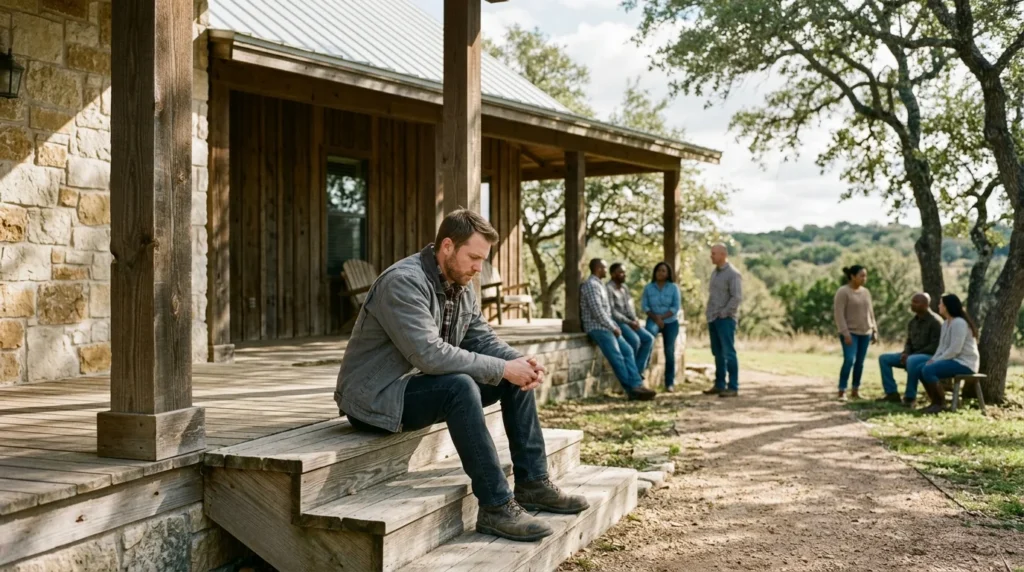
If you desire a quick gauge of where a city stands on damage decrease, walk right into an outpatient clinic and ask the front workdesk for naloxone. Significantly in San Antonio, the individual behind the counter will certainly hand you a kit, reveal you exactly how to utilize it, and welcome you to a family members education and learning evening. That is what progress resembles at eye level.
Training the workforce and utilizing peers where they matter most
Effective addiction treatment depends on individuals, not structures. San Antonio made financial investments right here that turn up in everyday practice. Medical institutions and nursing programs teach testing, quick intervention, and recommendation to therapy as basic professional abilities, not electives. Counselors, social employees, and medical professionals discover how to start and preserve MOUD securely. Hospitalists obtain comfortable with discomfort and withdrawal management so they do not reflexively discharge people with "behavioral" notes that mask untreated dependence.
Peer healing experts have become a backbone. They staff emergency situation department consults, run groups, satisfy individuals where they want an overdose or a regression, and maintain the concentrate on progress rather than excellence. Qualification paths through the Texas Qualification Board legitimize those duties and develop an occupation ladder that keeps ability. A number of the best peers in San Antonio came with the regional therapy system themselves, which keeps care based and practical.
Using telehealth and mobile teams without losing the human touch
Telehealth expanded during the pandemic and never ever left. In San Antonio, it did not change face to face treatment, it filled up voids. Evening video gos to make it feasible for a parent on shift job to re-fill buprenorphine or go to regression prevention without losing pay. Rural individuals in the areas around the city take advantage of specialized care they would certainly not otherwise have. Mobile teams bring drugs and counseling to people that can not get to a facility, consisting of those in sanctuaries or transitional housing.
The trade off is apparent. Telehealth can widen accessibility, but it can likewise create slim partnerships that do not hold when a crisis hits. Programs that use it well set clear limits for personally visits, call for periodic labs, and insist on neighborhood connection, whether through groups, family members sessions, or peer coaching. The concept is easy. Use innovation to reduce the obstacle, then build human relationships strong enough to lug the weight.
Paying for care in a state that did not expand Medicaid
Texas did not broaden Medicaid, and that truth shapes day-to-day procedures. San Antonio's response has actually been to braid financing, not wait for a plan modification. Area dollars support crisis solutions that save money on jail and emergency room use. Opioid negotiation funds are being steered toward naloxone, treatment capacity, and prevention. Philanthropy plugs openings https://privatebin.net/?21b7d7d68f1b6012#FeZjxafa2cauZpscVjXFzFpW6KCDoDUCghGLZrhPpsnE where insurance coverage rules do not make good sense, such as housing assistance during very early healing. TRICARE and VA protection extend reach for armed forces households. Commercial insurance policy plans are progressively implementing parity, but prior authorization and narrow networks still develop friction.
For families, the functional takeaway is that determination pays. If one door requests money in advance, ask about gliding ranges, not-for-profit choices, or area funded alternatives. In San Antonio, those choices usually exist within a couple of miles.
What quality appears like up close
Look past the brochures and you can tell which programs really provide. The competent ones step interaction at 30 days and retention at 90 days, not just graduation prices. They release their MOUD adoption and offer all FDA approved choices for opioid usage condition, consisting of methadone by recommendation where ideal. They co handle clinical depression, anxiousness, and trauma rather than identifying them "outside range." Release planning starts on day one with realistic aftercare that includes housing stability, work or education assistance, and family members involvement.
Programs that fall short commonly share a couple of informs. They assure quickly treatments, avoid medicines on principle, or depend solely on fight based groups. They battle to collaborate with healthcare facilities or the courts, and their waiting lists drag on since they have not built collaborations upstream and downstream.
Here is a brief, sensible filter family members in San Antonio utilize when choosing treatment:
- Do you supply buprenorphine or methadone for opioid usage disorder, and how many of your patients utilize them for at least six months?
- If my enjoyed one ends up in the ER, will you work with within 24 hours?
- Do you have bilingual medical professionals and household sessions in Spanish if we need them?
- How do you determine end results, and will certainly you share your one month interaction and 90 day retention rates?
- What is your prepare for housing, peer assistance, and regression feedback after discharge?
Five honest response to those inquiries will tell you more than a shiny internet site ever before could.
The city's temperament favors sensible collaboration
Some places obtain stuck debating ideological background while individuals die. San Antonio, most of the time, chooses sensible collaboration. Healthcare facility leaders rest at the exact same table with faith based supervisors and damage decrease supporters. They will argue regarding techniques, yet they keep the conversation moving. The shared objective is basic, less funeral services and even more steady families.
This temperament appears in everyday logistics. A residential program that can not take someone with energetic psychosis understands who to call at the region for a quick psychological evaluation. An outpatient center flagging an individual in harmful withdrawal can reach a detox nurse straight. Specialty courts keep upgraded lists of open beds as opposed to handing defendants a directory printed last year. These are not headlines, but they shorten the range between situation and care.
Safety nets for specific populations
Strong systems make room for individuals who frequently fall through the cracks.
Women with youngsters discover programs that coordinate childcare, collaborate with Kid Protective Providers, and include expanded household to stabilize the home. Adolescents remain a difficulty throughout Texas, and San Antonio is no exemption. The city is approaching a lot more teenage certain tracks that integrate institution routines, family members systems, and carbon monoxide occurring problems like vaping and social media driven anxiety, yet capability is still thin.
For people experiencing being homeless, the link in between real estate and soberness is handled directly. Sober living choices and healing real estate receive support, and some programs will certainly not discharge to the street. Street outreach groups currently lug buprenorphine initiation protocols and transport options, not just pamphlets.
Reentry from prison calls for special interest. Local partners have boosted pre release testing and warm handoffs. The objective is medicines and visits in position prior to the first night out, which is a well-known threat home window for overdose and regression. Some parts of Texas have actually piloted MOUD inside prisons, and Bexar Region stakeholders continue to review methods to increase access for people captive and promptly after release.
Data without spin
Numbers around overdose fatalities and therapy access shift year to year. What is clear in Bexar County is the same fad seen across Texas, fentanyl has escalated risk, and fatalities increased dramatically in the last few years. Naloxone circulation numbers have actually increased as necessary, and even more individuals are being revitalized. ED started buprenorphine has increased, helped by the removal of government barriers to prescribing.
These shifts do not prove victory, they prove motion. The city's public health authorities and provider unions share information a lot more freely now, and they utilize it to fine-tune protocols. If a zip code shows increasing overdoses, outreach groups readjust their hours and areas. If a clinic sees poor retention for Spanish speaking patients, management does not condemn the individuals. They examine organizing, child care, and transportation.
How families and people can browse the system
Even in a reasonably solid system, the very first calls can really feel frustrating. Keep the concentrate on safety and security and momentum. Request for naloxone, begin proof based medicines when shown, and protect the following consultation prior to you leave any kind of center. If you run into a closed door, request for a warm handoff to a real-time person at an additional program. Momentum is the money of very early recovery.
For addiction treatment in San Antonio, begin with three supports. Call the county's behavioral wellness accessibility line to map the quickest path to detox or outpatient solutions. If opioids are involved, prioritize a clinic that begins buprenorphine or can refer for methadone immediately. If the individual is a veteran or a military member of the family, loop in the VA or TRICARE network early since benefits can cover more than you expect.
A 2nd, equally essential track is family education and learning. Many programs supply night sessions that describe brain changes, drugs, boundaries, and relapse planning. Spanish language teams are increasingly available. Households that discover with each other and established consistent expectations reduced the odds of chaotic cycles.
What to watch next
San Antonio has the pieces to expand its lead in addiction treatment, yet two fronts will certainly determine just how much it goes. First, adolescent solutions require even more depth. Colleges are natural companions, and programs that can bend around semesters and sports seasons will gain ground. Second, real estate linked to healing stays a pressure factor. Increasing sober living, transitional housing, and employment courses that pay a living wage will certainly turn short-term treatment gains right into long term stability.
On the policy side, continued investment of opioid settlement bucks into treatment capacity, drugs, and neighborhood based supports can increase every little thing described above. Measurable goals aid. Track involvement and retention, MOUD utilization, time from court referral to initial consultation, and post overdose comply with up prices. Share the numbers publicly, and allow them direct funding.
Why San Antonio's example issues beyond the city limits
When individuals speak about Addiction treatment texas, they in some cases focus on high account private centers near capital Country or the coastline. San Antonio provides a different version. It is large, diverse, less expensive than some neighboring cities, and rooted in public exclusive cooperation. It mixes scholastic medication with community knowledge, army culture with bicultural fluency, and proof based experiment a straight, regional design that values results over rhetoric.

If you are searching for addiction treatment in San Antonio, you will certainly locate a system that still has waitlists and spaces, but additionally one that responds to the phone, offers actual drugs, brings households into the space, and coordinates across establishments that used to neglect each other. The city earned that progression individual by individual, court by court, and change by change. For the individual standing at the limit, that progress can make all the difference.
Quick telltales of a program developed to last
Use this final photo to sort strong alternatives from the rest:
- Clear access to buprenorphine, naltrexone, and methadone reference, without philosophical hurdles
- Bilingual services ingrained throughout consumption, groups, and family sessions
- Documented coordination with healthcare facilities, courts, and peer support networks
- Transparent end result metrics and a readiness to share them
- Aftercare that consists of housing, work support, and regression reaction, not just a list of meetings
Cities do not end up being leaders by mishap. San Antonio chose to construct frameworks that maintain individuals alive, offer proof based care, and respect the intricacies of real lives. For any individual searching for addiction treatment, that choice opens up a path worth walking.